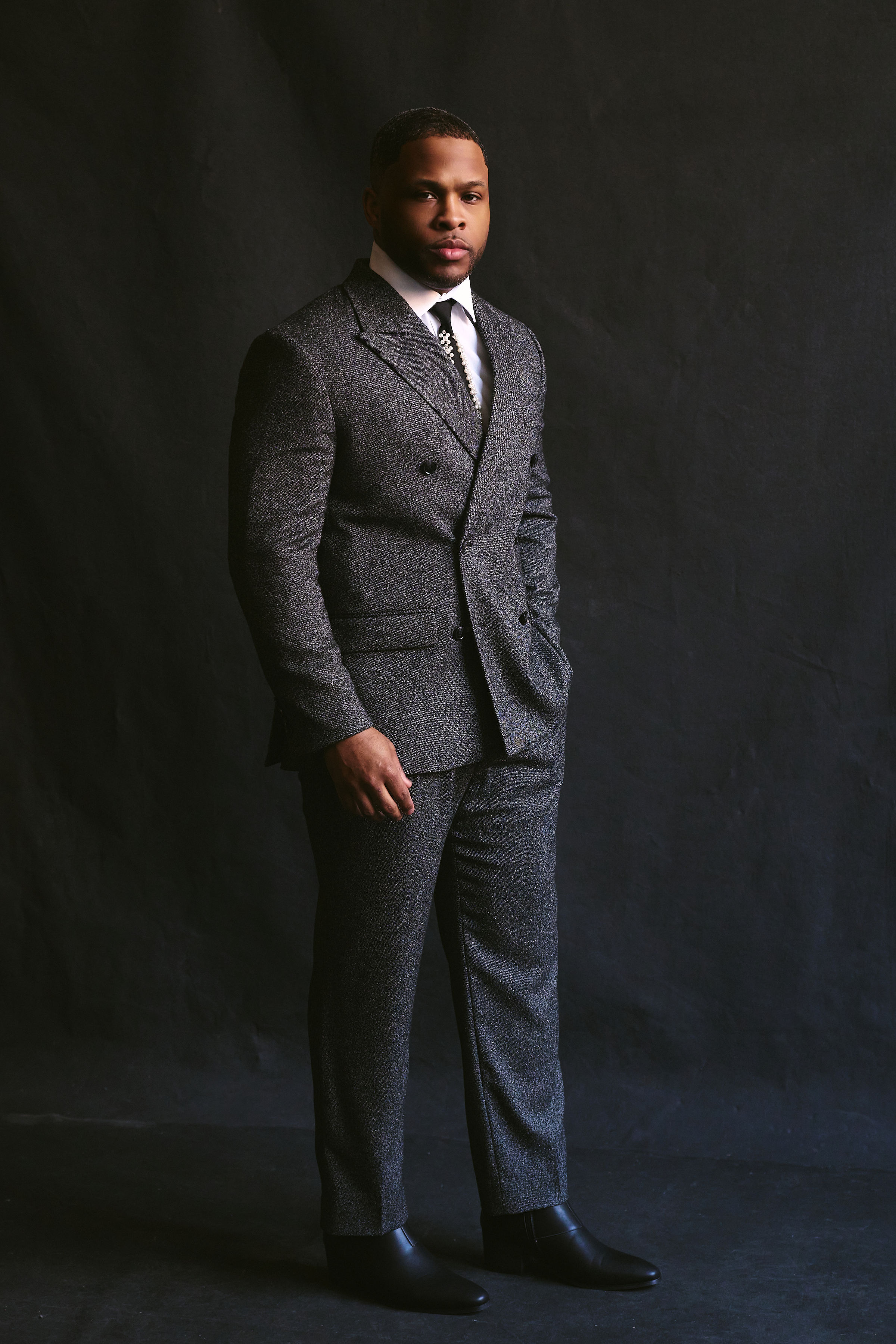
Dion Dawson, Chicago. Founder, speaker, systems thinker.
About
Dion Dawson didn't set out to run a nonprofit. He set out to fix a system that was producing outcomes nobody actually wanted — and discovered that fixing systems was the work.
Dion Dawson, Chicago. Founder, speaker, systems thinker.
The story usually gets told backwards. People meet Dion Dawson at a podium, or read about the millions of pounds of food his organization moves through Chicago's South and West sides, and they assume the mission came first. It didn't. The conviction came first. The mission was just the first place he pointed it.
Before any of it, there was the military — where he learned that logistics is not a back-office function but the difference between a plan that works and a plan that's only a speech. There was a stretch of food insecurity, and a stretch without a place to live. He does not tell those chapters for sympathy. He tells them because they are where the central idea was forged: that scarcity in the middle of abundance is almost never an accident. It is a design.
America does not have a food shortage. It has a distribution failure. Dion kept noticing that the resources to solve a problem were usually already in the room — the food, the money, the willing hands — and what was missing was the infrastructure to connect them reliably, with dignity, at scale. So he built it. What became Dion's Chicago Dream started as a logistics question disguised as a charity question: how do you get fresh produce to the families who need it, every single week, without making them perform their hardship to receive it?
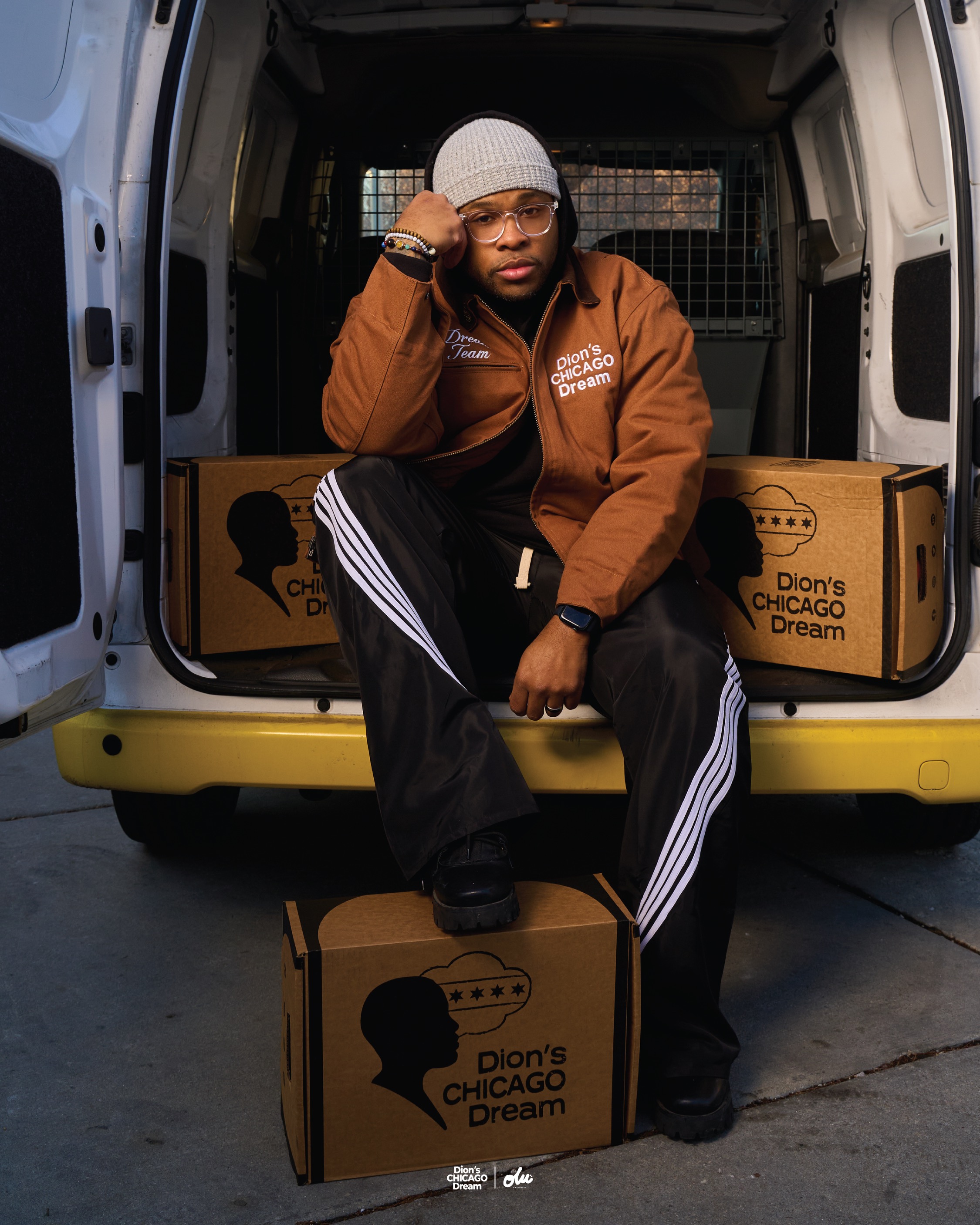
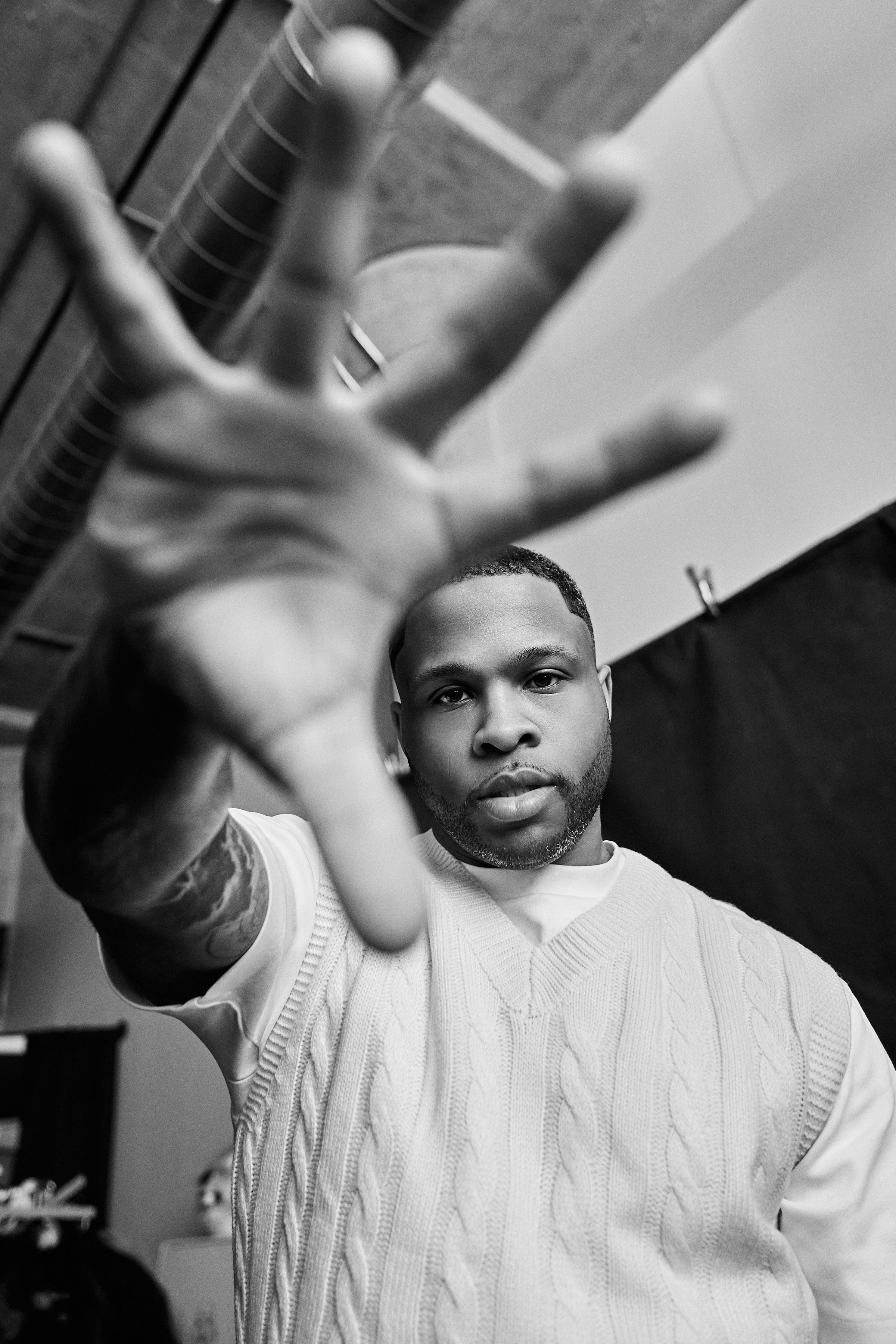
The answer was not a bigger pantry. It was a system — routes, partners, data, and a standard of care — engineered to keep working whether or not Dion was in the building. That distinction, between a program and an infrastructure, became the throughline of everything he does. A program ends when the grant ends. An infrastructure compounds.
"Charity asks how much we can give. Design asks why the need exists at all — and then removes it."
Dion DawsonThe work earned recognition — a TED Fellowship, a Rockefeller Foundation Fellowship, a Chicago Innovation Award, a President's Council Award — but Dion treats the honors the way an engineer treats a passing stress test: useful proof, not the point. The point is the next system. He now spends his time between three rooms that look nothing alike — the stage, the boardroom, and the block — carrying the same operating system into each: better systems create better outcomes.
Increasingly, the building looks like writing and speaking. Frameworks that started as field notes are becoming essays, talks, and the early architecture of a book. The community-development work proved the thesis. The next decade is about teaching it — to founders, to institutions, and to anyone willing to stop managing problems and start redesigning the systems that produce them.
The arc
Military discipline, followed by lived experience with food insecurity and homelessness — the origins of a lifelong obsession with how systems fail and how they're fixed.
Founded a food-access and logistics operation engineered to deliver fresh food weekly, with dignity, across Chicago's South and West sides.
Millions of pounds delivered, thousands of households served weekly, dozens of jobs created — proof that distribution, not supply, was the problem.
National platforms affirm the thesis: design, not charity, is what changes outcomes at scale.
Speaking, advising, and writing — translating a proven operating system into ideas other builders can use.

The throughline
Whether the audience is a TED stage, a foundation board, or a block on the South Side, the message is the same: stop managing the symptoms and redesign the system that produces them.